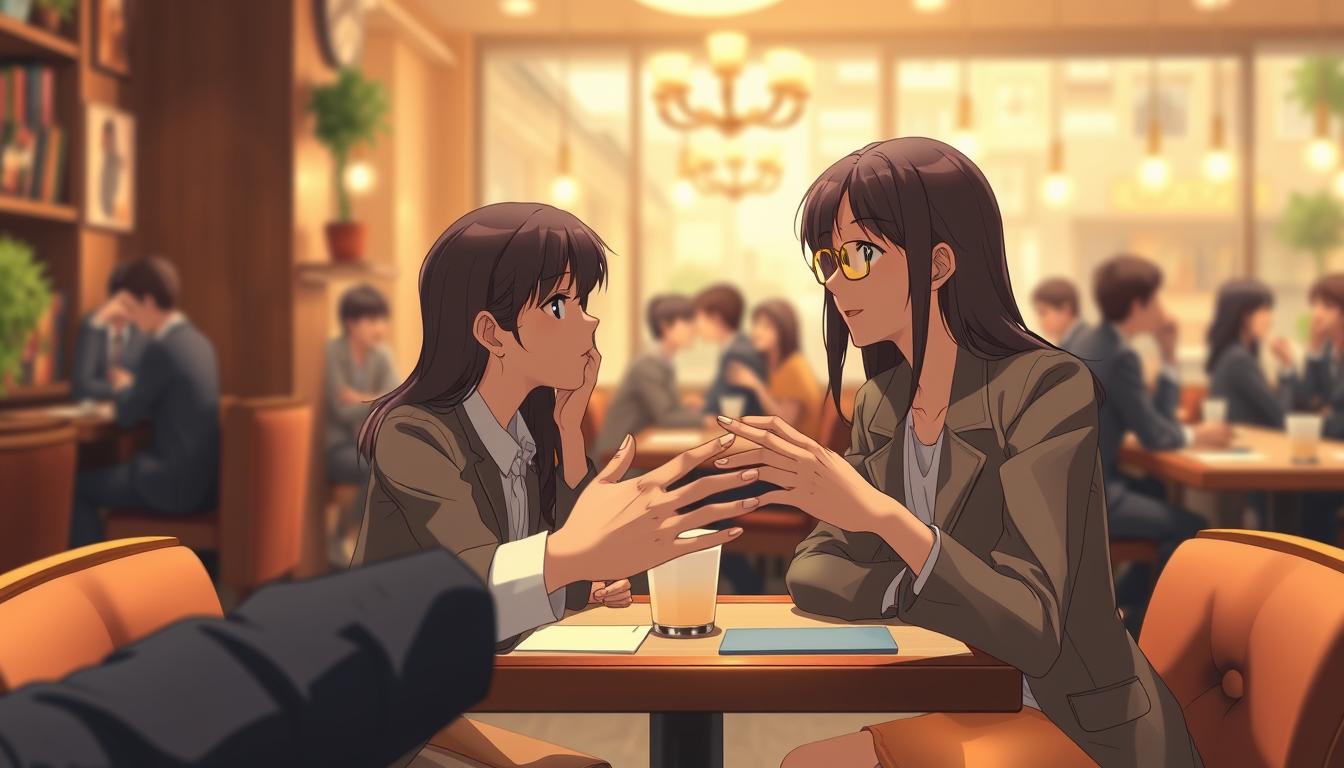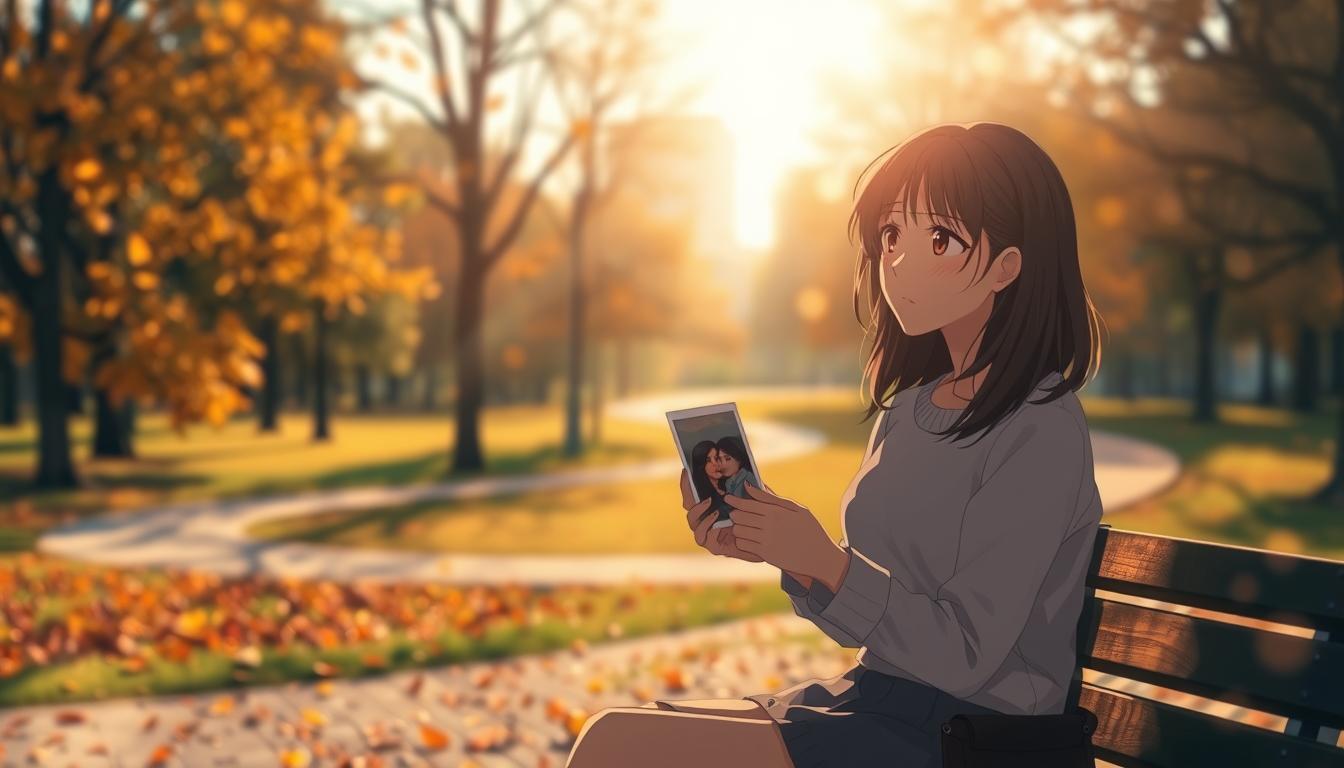
Ever felt like being left out hurts as much as a physical injury? Social rejection sets off a complex brain response that feels like real pain. When we’re excluded, our brain’s pain centers light up. This shows how deeply our emotions are tied to our biology.
From a survival standpoint, this reaction was crucial. In the past, being kicked out of a group meant death. So, our brain developed a system to spot social dangers. Now, this system can make us overreact to small slights in our daily lives.
By studying Love Psychology, we can grasp why these feelings are so strong. This field helps us understand how our need for connection affects our mental health. Seeing these reactions as survival signals, not personal failures, is key to building emotional strength.
Key Takeaways
- Social rejection activates the same brain regions as physical pain.
- Evolutionary history shaped our sensitivity to being excluded from groups.
- The brain treats social threats as survival risks to ensure safety.
- Love Psychology helps explain the biological roots of our emotional bonds.
- Understanding these mechanisms reduces the shame often associated with rejection.
The Biological Basis of Social Pain
Feeling left out is real and can be measured. Through emotions exploration, scientists found that our brains treat social exclusion like physical pain. This isn’t just a figure of speech; our bodies really change when we feel rejected.
The Overlap Between Physical and Emotional Pain
When we face social rejection, our brains use the same paths as for physical pain. This shows our ancient need for social connection is key to survival. If our social status is threatened, our brain sends out a distress signal, feeling like a real injury.
| Pain Type | Neural Response | Primary Function |
|---|---|---|
| Physical | Nociceptive signaling | Prevent tissue damage |
| Social | Distress activation | Maintain group cohesion |
| Combined | Systemic inflammation | Alert the organism |
The Role of the Anterior Cingulate Cortex
The anterior cingulate cortex plays a key role in this process. It’s a brain area that watches for emotional and physical pain. When we feel a social slight, this area lights up, showing our body is in danger.
By using the anterior cingulate cortex, our brain keeps us alert to our social surroundings. This ancient system helped our ancestors stay in their tribes, avoiding death. Today, it still makes us feel pain when we’re rejected, even in modern times.
Love Psychology and the Evolutionary Perspective
Love Psychology helps us understand why we seek connection and fear being alone. Humans are naturally social, needing community for safety and growth. Our interactions with others shape our sense of social worth.
Why Rejection Felt Like a Threat to Survival
In the past, being rejected by a group could mean death. Early humans needed their tribe for survival. So, our brains saw social rejection as a threat to life.
Today, social exclusion still triggers a strong response in our brains. Even if we’re not in danger, our brain reacts as if we are. This reminds us to stay connected for our safety.
The Impact of Attachment Styles on Emotional Processing
Everyone wants connection, but we all react differently to social feedback. Our attachment styles shape how we see ourselves and others. They influence how we interpret social interactions.
Secure Attachment and Resilience
People with a secure attachment style feel worthy of love and support. They handle social rejection better emotionally. They see temporary setbacks as not defining their worth.
Anxious Attachment and Heightened Sensitivity
Those with an anxious attachment style are very sensitive to perceived slights. They always look for signs of disapproval or abandonment. This can cause them a lot of emotional pain, even from minor social issues.
| Attachment Style | View of Self | Reaction to Rejection | Recovery Speed |
|---|---|---|---|
| Secure | Positive | Measured | Fast |
| Anxious | Uncertain | Intense | Slow |
| Avoidant | Self-Reliant | Dismissive | Variable |
Navigating the Aftermath of Rejection
Getting help and thinking deeply about yourself are key after rejection. The pain of being left out can be hard to handle. But, you can find ways to feel better and grow from it.
Strategies for Emotional Regulation and Mental Health Support
Learning to manage your feelings is crucial. When you’re rejected, your brain might feel stressed. Getting help from a mental health professional can help you deal with these feelings better.
Mindfulness and changing how you think can help calm your nerves. These methods help you see your thoughts clearly, not just react to them. Having a therapist can help you keep these skills up over time.
The Importance of Communication Skills in Relationship Counseling
If rejection hurts your relationship, getting help is a good idea. Relationship counseling and couples therapy can help fix things. They teach you how to talk better and trust each other again.
There are special programs for improving how you connect with others:
- Marriage guidance helps couples plan for the future together.
- Intimacy coaching works on getting closer again after feeling apart.
- Learning to listen better can stop misunderstandings.
Self-Discovery Techniques for Healing
Exploring yourself can help you feel whole again after being rejected. Finding out what you value and enjoy can help. This way, you can feel strong and ready for new connections.
Healing is a journey, but it’s worth it. Understanding what you need helps you make better connections in the future. This way, rejection can lead to growth and learning about yourself.
Conclusion
Social rejection triggers deep biological responses, similar to physical injury. Understanding these patterns helps shift our view on emotional pain. It turns a moment of distress into a chance for personal growth.
Love Psychology offers a way to understand these intense reactions. It shows how our evolutionary past influences our attachment styles. Seeing these experiences as natural signals, rather than permanent flaws, gives us power.
Healing involves actively taking care of our mental health. Practices like mindfulness and counseling help manage our nervous system during tough times. These methods help build secure connections and improve emotional stability over time.
Every interaction is a lesson in human behavior. By embracing this knowledge, we build stronger relationships in the future. The ability to handle social challenges leads us to lasting happiness and true self-discovery.