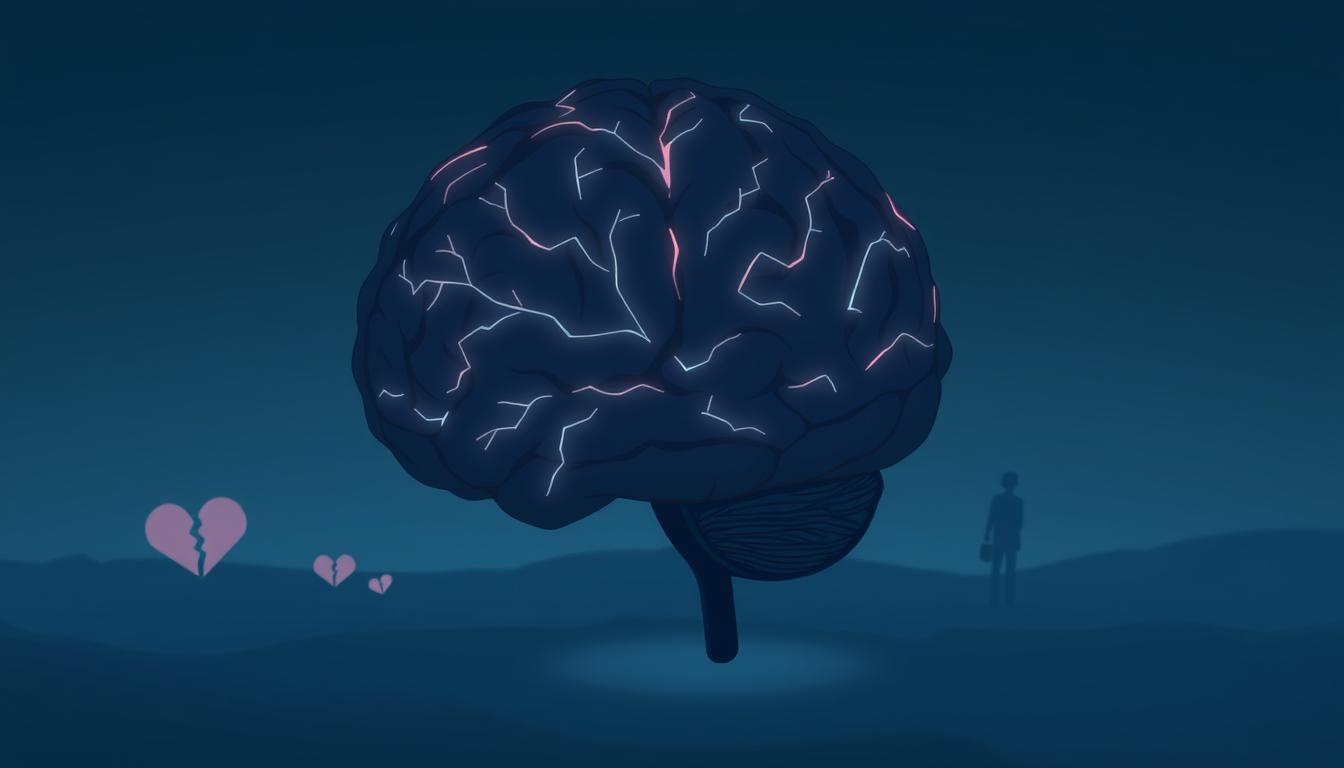
Many people find themselves stuck in unfulfilling relationships. It feels like a never-ending cycle with the same issues popping up. This isn’t because they’re failing or making bad choices.
The human brain looks for what’s familiar, even if it’s bad for us. Love Psychology shows that we often follow patterns from our early years. These patterns guide how we handle relationships today.
Knowing this is the first step to change. Seeing that our choices come from deep conditioning, not flaws, helps us grow. This understanding leads to better relationships and emotional stability.
Key Takeaways
- The brain prioritizes familiar patterns over healthy ones to maintain a sense of comfort.
- Repeating negative cycles is a common human experience, not a personal character flaw.
- Early life conditioning often acts as a blueprint for adult romantic choices.
- Awareness of these subconscious habits is the essential first step toward change.
- Breaking the cycle requires conscious effort to choose partners who offer stability.
The Role of Love Psychology in Relationship Patterns
The hidden mechanics of Love Psychology often dictate the partners we choose. Many individuals find themselves caught in repetitive cycles, wondering why they consistently attract the same personality types. By understanding emotions and the subconscious mind, people can begin to decode these complex romantic behaviors.
Understanding Attachment Styles
Attachment theory provides a framework for how individuals bond with others. These attachment styles are typically formed in early life and influence how a person perceives intimacy and conflict. Recognizing these patterns is a vital step toward improving one’s mental health and relationship satisfaction.
- Secure attachment: Individuals feel comfortable with intimacy and independence.
- Anxious attachment: People often crave high levels of closeness and fear abandonment.
- Avoidant attachment: These individuals prioritize autonomy and may pull away when relationships become too intense.
The Influence of Childhood Conditioning
Children often adopt automatic habits from their parents, leading them to seek partners who mirror their parents’ personalities. This phenomenon occurs because the brain finds comfort in the familiar, even if that familiarity is rooted in dysfunction. When someone fails at understanding emotions, they may unconsciously recreate the same power dynamics they experienced in their youth.
This process of childhood conditioning acts as a blueprint for adult romantic life. It shapes how a person views their own mental health and their capacity for a secure connection. By identifying these deep-seated attachment styles, individuals can break free from the influence of Love Psychology patterns that no longer serve their well-being.
Breaking the Cycle of Poor Relationship Choices
To get out of the cycle of bad relationships, you need to change how you think. Many people keep picking partners who don’t really fit. By focusing on growing yourself, you can start to make better choices in love.
Developing Emotional Intelligence
Emotional intelligence is key to making better choices. It means knowing your feelings and how they affect you when dating. By understanding your emotions, you can avoid acting on fleeting feelings.
This skill helps you see potential partners more clearly. It lets you tell if someone is really right for you, not just a repeat of past mistakes. When you know yourself well, you can pick partners who match your future goals.
The Importance of Self-Discovery and Counseling
Self-discovery is crucial to break old patterns. It means looking inside to figure out why you’re drawn to certain people, even if they’re bad for you. For many, counseling helps them understand these patterns.
Therapy is a safe place to explore how past experiences affect your choices today. It helps you heal and stop repeating harmful patterns. Counseling shines a light on the beliefs that guide your choices in love.
Identifying Red Flags Early
Spotting warning signs early is key to staying safe. The “ten percent intuitive rule” is a good guide. A small issue now can grow into a big problem later if ignored.
Setting Healthy Boundaries
Setting clear boundaries is the last step. These boundaries show what you will and won’t accept in relationships. By sharing these clearly, you can keep people who don’t respect you out.
- Know how attachment styles affect your need for closeness or distance.
- Be clear about what you expect from the start of a relationship.
- Always put self-respect first, not just to please someone else.
- Leave if someone consistently ignores or goes against your values.
Understanding your attachment styles helps keep boundaries strong, even when feelings are strong. Knowing your tendencies lets you make choices that lead to lasting happiness.
Conclusion
Breaking free from toxic relationships starts with a new way of thinking. True change means looking deep within ourselves. It’s about understanding why we keep making the same mistakes.
Putting mental health first is key to healthy relationships. When we value our own well-being, we attract better partners. Building emotional intelligence helps us handle our feelings better.
Getting help from professionals is a big step forward. Discernment Counseling offers a safe space to think about our goals and needs. It helps us see if a relationship helps us grow or holds us back.
The journey to finding the right partner starts with healing. Every step towards self-awareness brings us closer to true love. Begin this journey today by focusing on your own happiness.