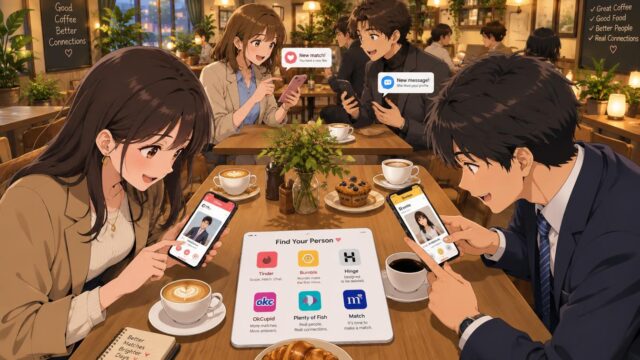
Meeting someone online can be exciting, and for many people it leads to a real relationship. But scammers know that too. They build attractive profiles, show strong interest quickly, and use the trust they create to ask for money, personal details or intimate images. Romance scams hurt so badly because they mix real emotion with fraud.
This guide explains how romance scams work, which warning signs to watch for, how to verify a match, and what to do if you or someone you care about has been targeted.
What Is a Romance Scam?
A romance scam happens when a criminal pretends to be romantically interested in you to gain something, usually money. The scammer builds a fake relationship, earns your trust over days or weeks, and then invents a situation in which they need financial help, an “investment,” or sensitive information.
These scams happen on dating apps, social media, gaming platforms and messaging services. Anyone can be targeted, regardless of age, education or experience. Being fooled is nothing to be ashamed of. Scammers are skilled at exploiting normal feelings like loneliness, hope and the wish to help someone you care about.
How a Romance Scam Usually Unfolds
The details vary, but most scams follow a similar pattern:
- The approach. A scammer likes your profile or messages you, using a polished, very attractive profile.
- Fast intensity. They message constantly, give you lots of compliments, say they are falling for you, and ask to move to a private messaging app.
- Reasons not to meet. They say they work overseas, serve in the military, travel often, or have a broken camera.
- The crisis. A sudden emergency appears: a medical bill, a legal fee, a customs charge, a plane ticket, or a “can’t-miss” investment.
- The ask. They request money by bank transfer, gift cards, cryptocurrency, a payment app, or a deposit to a “friend.”
- More requests. If you pay once, new problems follow, each with a new story.
The Most Common Types of Romance Scams
Fake profiles (catfishing)
The scammer uses stolen photos and made-up details, sometimes taken from a real person who has no idea their pictures are being used. The goal may be money, or simply emotional manipulation.
Emergency money requests
This is the classic version. The person says they are sick, were robbed abroad, or need money to travel to see you. Urgency is their main weapon.
Fake investment schemes
After building the relationship, the scammer mentions their success with crypto, trading or another “opportunity” and invites you to start small. A fake platform shows impressive gains to encourage larger deposits. When you try to withdraw, new fees and blocks appear.
Gifts, packages and customs fees
They claim to have sent you an expensive gift and say you must pay a fee to release it. The package does not exist.
Sextortion
The scammer encourages you to share intimate photos or videos, then threatens to send them to your family and friends unless you pay. The best defense is never sending intimate content to someone you have not met in person.
The “military” or “overseas professional” story
Scammers pose as soldiers, oil-rig engineers, doctors with aid organizations or other professionals whose jobs explain why they cannot meet and why they need help.
AI-assisted scams
Some scammers use AI tools to create convincing photos, voices or even video. This makes it more important to focus on behavior rather than appearance alone.
Red Flags to Watch For
No single sign proves a scam, but several together deserve serious attention:
- Declarations of love very quickly, before you really know each other
- A profile that looks too perfect, with polished photos that could come from a magazine or stock site
- Pressure to leave the dating app and chat somewhere else
- Refusal to video chat, or repeated excuses such as a broken camera or bad signal
- Stories that do not add up, with changes in location, job, age or family details
- Always a reason they cannot meet in person
- Any request for money, gift cards, transfers or banking details
- Urgency and drama, pushing you to act before you can think
- Requests for secrecy, such as “don’t tell your family, they won’t understand”
- Encouragement to invest on a platform only they seem to know
- Early requests for intimate photos or videos
- Strange writing, copied messages, or replies that read like a script
How to Check Whether a Profile Is Real
- Video chat. Ask for a simple, spontaneous gesture, like waving or holding up an everyday object. Watch for delays, odd visuals and lips out of sync with speech.
- Reverse image search. Search the profile photos with a reverse image tool. If they appear under another name or in another context, that is a red flag.
- Check for consistency. Compare what the person says on the app, on social media and in conversation. Contradictions are common in fake profiles.
- Look at their social presence. Very new accounts with few photos, few friends and generic comments deserve suspicion.
- Use the app’s verification. Many apps offer photo verification badges. They help, but they are not a guarantee.
- Ask someone you trust. An outsider often sees warning signs that are hard to notice when you are emotionally involved.
How to Protect Yourself
Money
- Never send money to someone you have not met in person, by wire, payment app, gift card or cryptocurrency
- Be wary of any financial request, however moving the story
- Do not pay “fees” to release gifts, inheritances or prizes
- Do not invest on a platform recommended by someone you met on a dating app
- Never let someone use your bank account to receive or move money for them
Personal information and accounts
- Do not share your Social Security, national insurance or other ID numbers, card details, passwords, or verification codes
- Do not click links from someone you just met
- Do not install apps suggested by a stranger
- Turn on two-factor authentication for your apps and email
- Review your privacy settings and avoid showing your address, workplace or routine
Images
- Do not send intimate photos or videos to someone you do not know in person
- Remember that anything you send can be saved and shared
- Avoid showing documents, license plates, house numbers or other identifying details in photos and video calls
Pace
- Go slowly. A genuine connection survives a few days of waiting
- Stay on the dating platform until you are confident the person is real
- Video chat before you agree to meet
- Meet in a public place and tell a friend where you are going
The Golden Rule: Money Plus Urgency
If someone asks for money and also pressures you to decide quickly, treat it as a scam until proven otherwise. Take a breath, talk to someone you trust, and wait. Scammers depend on speed. Real relationships can wait.
Also be alert if anyone asks you to lie to your bank about why you are sending money. That is a strong sign of a scam.
What to Do If You Have Been Scammed
If you have already sent money, information or images, acting quickly can help. Follow these steps:
- Stop all contact and payments. Do not send anything more, even if the person threatens you or begs.
- Contact your bank or payment provider right away. Tell them it is a scam and ask what they can do. Banks can sometimes stop or recall a transfer that is still in progress. Recovery is never guaranteed, and the options depend on how you paid.
- Keep all evidence. Save messages, screenshots, usernames, account details, payment receipts and links. Do not delete anything.
- Report it to the authorities (see below for your country).
- Report the profile to the dating app or social network.
- Change your passwords and turn on two-factor authentication, especially if you shared data or clicked a link.
- Warn people close to you if the scammer may have their details.
- Look after your wellbeing. Talking to a friend, family member or counselor can help with the shame and the sense of betrayal.
Where to report
- United States: report to the Federal Trade Commission at ReportFraud.ftc.gov and to the FBI’s Internet Crime Complaint Center at ic3.gov. You can also contact local law enforcement.
- United Kingdom: report to Report Fraud, which replaced Action Fraud, at reportfraud.police.uk or by phone on 0300 123 2040. In Scotland, contact Police Scotland on 101. You can forward scam texts to 7726 and scam emails to [email protected]. If you are in immediate danger, call 999.
- Canada: report to the Canadian Anti-Fraud Centre at antifraudcentre-centreantifraude.ca or by phone on 1-888-495-8501, and to your local police.
Reporting systems and contact details change from time to time, so check the official site if anything looks different.
If Someone Threatens to Share Intimate Images
- Do not pay. Paying rarely ends the blackmail and usually leads to more demands
- Stop communicating with the person
- Save evidence, including messages, payment demands and account names
- Report the account to the platform and to the authorities listed above
- Seek support from organizations that help people with image-based abuse and online harassment
Responsibility lies with the person making threats, not with the person who trusted them.
How to Help a Friend or Relative Who May Be Targeted
Many victims do not see the scam because they are emotionally invested. If you are worried about someone:
- Talk without judgment. Harsh criticism can make people defend the scammer
- Ask questions instead of giving orders: “Have you video chatted yet?” or “Why can’t they visit you?”
- Share the warning signs calmly
- Help check the photos and details
- Encourage a pause on any payment until things can be verified
- Offer to help them contact their bank and report the scam
Older adults, people recently divorced or bereaved, and those feeling isolated are often targeted, but that does not make them naive. Scammers simply pick moments of vulnerability.
Payment Methods Scammers Prefer
Scammers favor payment methods that are fast and hard to reverse:
- Wire transfers and instant bank transfers
- Gift cards
- Cryptocurrency
- Payment apps
- Cash deposits into another person’s account
If someone insists on one of these, especially with urgency, treat it as a major warning sign.
Final Takeaway
Romance scams work because they exploit emotions, not naivety. The best protection is to move slowly, verify identity by video, never send money or intimate content to someone you have not met in person, and be suspicious of pressure. If something feels off, pause, talk to someone you trust, and report it. If you have already been scammed, act quickly and remember that the blame belongs to the scammer, not to you.
Frequently Asked Questions
How can I tell if I am talking to a scammer?
Look at the overall pattern: very fast declarations of love, refusal to video chat, stories that do not add up, pressure to leave the app, and above all any request for money or personal data.
Is a video call proof that someone is real?
It lowers the risk, but it is not foolproof, because some tools can manipulate faces and voices. Combine a video call with attention to inconsistencies, and never send money to someone you have not met.
Can I get my money back after a romance scam?
Sometimes, but not always. Contact your bank or payment provider immediately, because early action gives you the best chance. The result depends on how you paid and your bank’s policies.
Who is most at risk of romance scams?
Anyone can be targeted. Scammers tend to focus on people who are lonely, grieving, newly single, or looking to help someone they care about.
What should I do if I sent intimate images and I am being blackmailed?
Do not pay, stop contacting the person, keep the evidence, report the account, and contact the authorities. Support organizations can also help.
Why do romance scammers say they live overseas or work in the military?
Those stories explain why they cannot meet in person or talk on video, and they make requests for money seem more believable.
Can I report a suspicious profile even if I did not lose money?
Yes. Use the dating app’s report tool. It helps protect other users.
How do I stop feeling ashamed after being scammed?
Remember that scammers are professionals at emotional manipulation and that many thoughtful, intelligent people have been fooled. Talking to a trusted person or a mental health professional can help.
Disclaimer: This article is for general information only and is not legal, financial or law-enforcement advice. Reporting services, contact details and bank policies change. If you are in danger or being threatened, contact local emergency services.