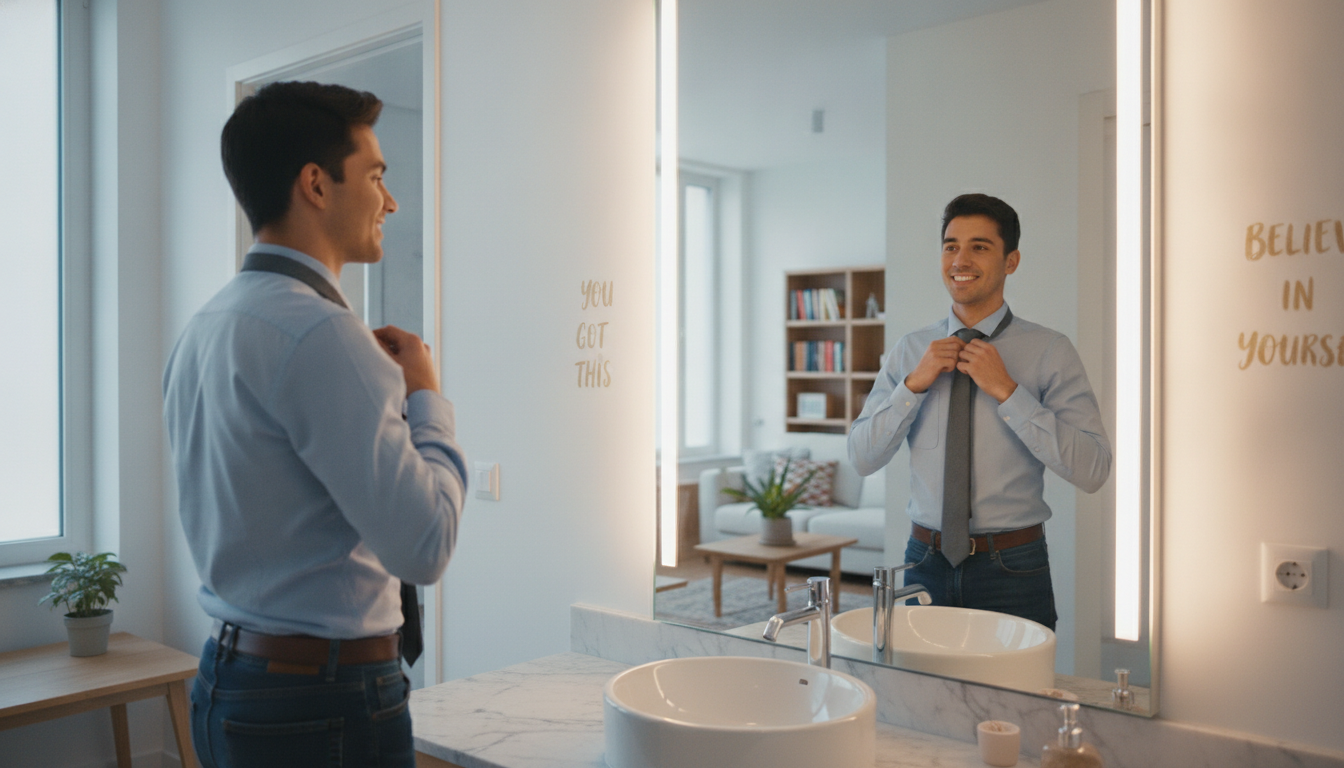
Finding a partner is more than just looking for the perfect match. Relationship readiness is key for a lasting bond. It’s not just about finding the right person. It’s about making sure both are ready to build a strong connection.
A 2019 study found that feeling ready for a commitment makes a relationship 25% less likely to end. This shows that emotional maturity can protect against common issues.
When looking for a partner, it’s important to observe and be patient. Using dating tips can help you see if your partner is on the same page. Knowing these signs can help create a serious relationship that lasts.
Key Takeaways
- Relationship readiness is a critical factor for long-term partnership success.
- Being in the right mental space is just as important as finding a compatible partner.
- Studies show that feeling prepared reduces the likelihood of a breakup by 25%.
- Emotional maturity helps couples navigate challenges more effectively.
- Observing behavioral cues is essential when evaluating a potential partner’s commitment level.
Signs of Emotional Maturity and Stability
Being ready for a serious relationship means you have to know yourself well. Todd Baratz, a licensed psychotherapist, says people who care about their mental health are better partners. They learn to love themselves first, knowing what they want and need.
Having emotional stability helps you face life’s ups and downs without losing yourself. When someone is emotionally mature, they handle conflicts by asking questions, not by getting defensive. This is key to a strong, lasting relationship.
The Ability to Communicate Needs Clearly
A mature partner knows their needs are important and shares them openly. They don’t guess what others think or use indirect ways to express themselves. Instead, they speak directly, creating a space of trust and honesty.
Demonstrating Accountability for Past Actions
Being accountable for past actions shows you’re growing as a person. Instead of blaming others, a mature person looks at their own role in past failures. This shows they can learn from mistakes and grow.
Consistency Between Words and Behaviors
Being reliable is a sign of emotional stability. When someone keeps their promises, it makes the relationship feel safe. This shows they value the relationship enough to be dependable, even when it’s hard.
| Trait | Mature Approach | Immature Approach |
|---|---|---|
| Conflict Resolution | Seeks compromise | Avoids or attacks |
| Self-Reflection | Admits mistakes | Deflects blame |
| Communication | Direct and honest | Passive-aggressive |
| Commitment | Reliable and steady | Hot and cold |
Essential Dating Tips for Assessing Compatibility
When you meet people, whether through dating apps or friends, it’s key to check if you’re compatible. The words someone chooses can show their true feelings. For example, saying “date” means they’re serious, but “hanging out” might not be as deep.
Evaluating Long-Term Life Goals
It’s important to know if your future plans match. Look at if you both want the same things, like marriage or career goals. Sharing similar dreams makes building a life together easier.
If your goals don’t match, it’s better to know early. Talking about your five-year plans can avoid future heartaches. This helps you see if the connection is worth your time and feelings.
Observing How They Handle Conflict
A good relationship has disagreements, but how you solve them matters. See if your partner listens to you or gets defensive. A mature person wants to understand your feelings, not just win.
Watch if they own up to their mistakes. If they apologize genuinely, they show emotional smarts for a lasting bond. But if they always blame others, they might not be ready for a serious relationship.
Assessing Their Willingness to Prioritize the Partnership
Actions show more than words when it comes to commitment. A serious partner will make room for you in their life. They value your time and care about your happiness.
Setting boundaries is crucial for your emotional safety and to see if they’re invested. If they respect your limits and show up, they’re likely serious. Here’s a table to spot the difference between casual and serious interest.
| Behavioral Indicator | Casual Intent | Serious Intent |
|---|---|---|
| Communication Style | Sporadic and vague | Consistent and clear |
| Future Planning | Avoids long-term talk | Discusses future goals |
| Conflict Resolution | Defensive or dismissive | Collaborative and open |
| Time Investment | Last-minute requests | Planned, intentional dates |
Red Flags That Indicate Someone Is Not Ready
Spotting red flags early can save you from investing in someone who’s not emotionally ready. The thrill of initial attraction doesn’t always mean a strong partnership. Knowing these signs helps protect your time and feelings.
A Pattern of Avoiding Labels or Future Planning
A commitment-phobe often dodges talking about the relationship’s future. If they keep pushing off serious talks or making plans only for the short term, it’s a sign. This behavior keeps things uncertain and unclear.
When someone dodges future talks, they’re keeping their options open. This makes building trust for a long-term commitment hard. You should want a partner who’s eager to build a future together, not just enjoy the moment.
Unresolved Baggage from Previous Relationships
Jumping into a new relationship too soon after a breakup can bring emotional baggage. If someone hasn’t dealt with their past, they might struggle to connect healthily. This can lead to repeating negative attachment patterns that harm happiness.
Look out for signs they’re still hung up on their ex. This could be constant comparisons or unresolved anger. A ready person will have moved past these issues. They should see you as an individual, not just a replacement.
Prioritizing Independence Over Shared Experiences
It’s good to keep your own identity, but some take it too far. They might refuse to share their life or social circle with you. This makes building closeness hard.
A good relationship balances being alone and together. If your partner sees spending time with you as a loss of freedom, they might not be ready for a serious relationship. Here’s a table showing the difference between healthy and unhealthy attachment styles.
| Indicator | Healthy Approach | Unhealthy Approach |
|---|---|---|
| Future Planning | Discusses goals openly | Avoids the topic entirely |
| Past Relationships | Learned and moved on | Carries heavy resentment |
| Independence | Balanced with intimacy | Used as a wall for distance |
| Commitment | Ready for long-term growth | Fears labels and permanence |
Conclusion
True readiness for a committed partnership starts with focusing on personal fulfillment. People who stop chasing love often find healthier dynamics. This shift creates a solid foundation for real bonds.
Success in modern romance depends on clear dating intentions. When partners know what they seek, they avoid confusion. This clarity guides them in the early stages of getting to know each other.
Strong communication skills are key for any couple. Open dialogue helps navigate challenges with grace and respect. It turns potential friction into chances for deeper understanding.
The journey to a serious relationship is one of self-discovery. Prioritizing personal growth ensures confidence and resilience in partnerships. This approach leads to more stable and rewarding experiences for all.
Readers are encouraged to reflect on their own needs before seeking a partner. Understanding personal values makes finding a compatible match easier. Share your thoughts on how self-growth has changed your perspective on love in the space below.